
Leather Sole vs Rubber Sole: Which Is Right for You?
Leather or rubber? The sole of your shoe affects comfort, durability, and style more than you think. Here's how to choose the right one.
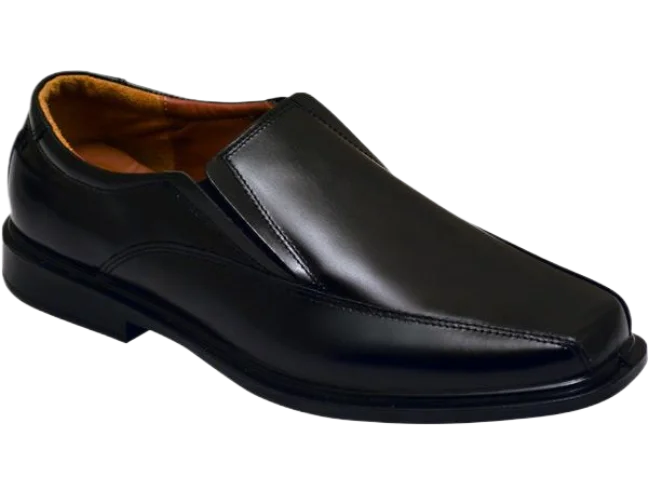
When shopping for dress shoes, you'll inevitably face one fundamental decision: leather sole vs rubber sole. The sole is quite literally the foundation of every shoe you wear. It determines how the shoe feels underfoot, how long it lasts, and where you can comfortably wear it. Yet most men never give it a second thought.
Whether you're building your first collection of dress shoes or upgrading an existing rotation, understanding the differences between leather and rubber soles will help you make smarter purchases. This guide breaks down everything you need to know — from comfort and durability to formality and care — so you can choose the right sole for your lifestyle.
Leather Soles — Tradition and Elegance
Leather soles have been the hallmark of fine men's footwear for centuries. There's a reason the world's best shoemakers still default to leather: nothing else delivers the same combination of sleek appearance and refined construction.
The Case for Leather
Slim, elegant profile. Leather soles are thinner than most rubber alternatives, giving the shoe a streamlined silhouette. This matters more than you might think — a slim sole keeps a dress shoe looking sharp rather than chunky.
Breathability. Leather is a natural material that allows air to circulate around your foot. If you spend long days in an office or attend indoor events regularly, leather soles help reduce heat and moisture buildup.
Classic sound. There's something unmistakably distinguished about the soft click of leather soles on a marble floor. It's a small detail, but it signals quality.
Flexibility. After a brief break-in period, leather soles mold to the shape of your foot, creating a custom fit that improves with age.
Where Leather Soles Excel
Leather soles are the ideal choice for formal events, office environments, weddings, and any occasion where appearance takes priority. They pair perfectly with suits, tuxedos, and sharp business attire. If you're attending a black-tie dinner or an important meeting, leather soles are the correct choice.
The Wizfort Prestige Leather Sole Bicycle Toe is a perfect example — its refined leather sole complements the elegant upper for occasions that demand your best.
The Trade-Offs
Leather soles aren't without drawbacks. They can be slippery on wet or polished surfaces, especially when new. They also wear faster on concrete and asphalt compared to rubber. And they require more care — exposure to water and salt can damage the leather if left untreated.
That said, a quality leather sole shoe that's properly maintained will develop a beautiful patina and actually become more comfortable over time.
Rubber Soles — Durability and Grip
Rubber soles have come a long way from the thick, utilitarian designs of decades past. Modern rubber soles can look remarkably sleek while offering practical advantages that leather simply cannot match.
The Case for Rubber
Superior traction. Rubber grips pavement, tile, and wet surfaces far better than leather. If you walk on city sidewalks, commute by train, or navigate unpredictable weather, rubber soles give you confidence with every step.
Weather resistance. Rain, snow, puddles — rubber handles them all without damage. You won't need to worry about warping or water stains the way you would with leather.
Longer lifespan on hard surfaces. If your daily routine involves a lot of walking on concrete, rubber soles will outlast leather soles significantly. The material is simply more resistant to abrasion.
Less maintenance. Rubber soles require almost no upkeep. A quick wipe-down is usually all they need.
Modern Rubber Soles That Still Look Dressy
One common misconception is that rubber soles look casual. That's no longer true. Shoes like the Wizfort Lightweight Bicycle Toe Lace-Up prove that a rubber sole can sit beneath a polished dress shoe without compromising its appearance. The sole is slim, the design is refined, and the shoe works just as well with a blazer as it does with chinos.
For men who prioritize all-day comfort, the Esse Comfort Fertel combines a cushioned rubber sole with a clean dress shoe silhouette — ideal for professionals who are on their feet all day.
Leather Sole vs Rubber Sole — Side-by-Side Comparison
| Feature | Leather Sole | Rubber Sole |
|---|---|---|
| Comfort | Improves with break-in; molds to foot | Cushioned from day one |
| Durability | Moderate; wears faster on pavement | High; resists abrasion well |
| Formality | Traditional choice for formal wear | Modern options look equally sharp |
| Weather Resistance | Poor; damaged by water and salt | Excellent; handles all conditions |
| Traction | Low when new; improves slightly | High; reliable grip on all surfaces |
| Weight | Lighter and thinner | Slightly heavier |
| Breathability | Excellent; natural air circulation | Limited; less ventilation |
| Maintenance | Needs conditioning and protection | Minimal; wipe clean |
| Price Range | Often higher (premium material) | Varies; generally more affordable |
| Resoling | Easily resoled multiple times | Some styles can be resoled |
When to Choose Leather Soles
Choose leather sole shoes when the occasion calls for polish and tradition. Here are the scenarios where leather soles are the clear winner:
Formal events. Weddings, galas, award ceremonies, and black-tie dinners all call for the refined look of a leather sole. The slim profile sits perfectly beneath a tailored suit or tuxedo.
Office and boardroom. If your workplace has a business-formal dress code, leather soles signal attention to detail and professional pride. They pair naturally with wool trousers and dress shirts.
Indoor environments. Churches, synagogues, museums, and upscale restaurants — anywhere with smooth, dry flooring — are ideal terrain for leather soles.
Building a classic wardrobe. If you're investing in shoes that will age gracefully and develop character, leather soles are the foundation. A well-made leather sole shoe can be resoled and restored for years.
The Wizfort Classics Leather Sole Bicycle Toe and Wizfort Classics Leather Sole Moc Toe are excellent starting points — versatile enough for the office and elegant enough for formal occasions. For a slip-on option, the Wizfort Classics Leather Sole Slip-On offers effortless style without laces.
When to Choose Rubber Soles
Choose rubber sole shoes when practicality matters as much as appearance. These are the situations where rubber soles shine:
Daily commuting. Walking to the train, crossing busy intersections, navigating rain — your everyday shoes need to handle it all. Rubber soles deliver the grip and durability that daily wear demands.
Travel. Whether you're exploring a new city or rushing through an airport, rubber soles offer comfort and reliability on unfamiliar terrain. They're the smarter choice when you can only pack one pair of dress shoes.
Outdoor events. Garden parties, outdoor weddings on grass, and rooftop gatherings all present surfaces where leather soles would struggle. Rubber keeps you stable and worry-free.
All-day wear. If your job keeps you on your feet for eight hours or more, the built-in cushioning of a rubber sole makes a real difference by the end of the day.
Can You Resole Leather Shoes?
Yes — and this is one of leather sole shoes' greatest advantages. A quality leather shoe with a Goodyear welt or Blake stitch construction can be resoled multiple times, extending the shoe's life by years or even decades.
What resoling costs. A professional resole typically runs between $50 and $150 depending on the cobbler and the sole material. Compare that to replacing a $200+ pair of shoes entirely, and the economics are clear.
How many times? Most well-constructed leather sole dress shoes can be resoled three to five times before the upper shows significant wear. That means a single pair could last 10-15 years with proper care.
Rubber soles too? Some rubber sole shoes can also be resoled, particularly those with stitched construction. However, cemented (glued) rubber soles are typically not worth resoling — the cost approaches that of a new pair.
The takeaway: if you view your shoes as a long-term investment, leather soles offer the best return. The upfront cost is higher, but the ability to resole makes them more economical over a lifetime.
How to Care for Each Sole Type
Proper sole care extends the life of your shoes regardless of material. Here's what each type needs.
Leather Sole Care
- Avoid prolonged water exposure. If your leather soles get wet, let them air-dry naturally at room temperature. Never use direct heat.
- Apply sole conditioner. A leather sole conditioner or mink oil keeps the material supple and resistant to cracking. Apply every few months or after exposure to moisture.
- Rotate your shoes. Give leather soles at least 24 hours between wears to fully dry out. This prevents premature breakdown.
- Add a toe tap. A small metal or rubber toe tap can protect the area that wears fastest, extending the life of the sole.
- Store with cedar shoe trees. Cedar absorbs moisture and helps the sole maintain its shape between wears.
For a complete routine, check out our leather shoe care guide, which covers everything from cleaning to conditioning to storage.
Rubber Sole Care
- Clean regularly. Use warm water and mild soap to wipe down rubber soles. A soft brush removes embedded dirt and debris.
- Check for wear patterns. Uneven wear on rubber soles can indicate gait issues. Replace or resole before the tread wears completely smooth.
- Avoid extreme heat. Don't leave rubber sole shoes near radiators or in hot cars — prolonged heat can cause the rubber to crack or separate from the upper.
Rubber soles are forgiving, but a quick cleaning routine keeps them looking sharp and performing well.
Choose the Right Sole for Your Life
There's no universal winner in the leather sole vs rubber sole debate. The right choice depends entirely on how you live, where you work, and what occasions fill your calendar.
Choose leather if you value tradition, invest in long-term quality, and spend most of your time in formal or indoor settings. Leather soles reward you with elegance that improves with age.
Choose rubber if you need all-weather reliability, walk extensively on hard surfaces, or want a low-maintenance shoe that's ready for anything.
Or choose both. The smartest approach is to own at least one pair of each. A leather sole dress shoe handles your most important occasions, while a rubber sole pair covers everything else. As the experts at Gentleman's Gazette point out, a well-rounded shoe collection includes both sole types.
Ready to find your perfect pair? Browse our collection of leather sole dress shoes and rubber sole options to see what fits your style. And if you're new to the world of men's dress shoes, our complete guide to men's dress shoes covers every style from Oxfords to loafers.