
Job Interview Shoes: Making the Right First Impression
Your job interview shoes say more about you than your resume in those first critical seconds. Here is how to choose the right pair for any industry.
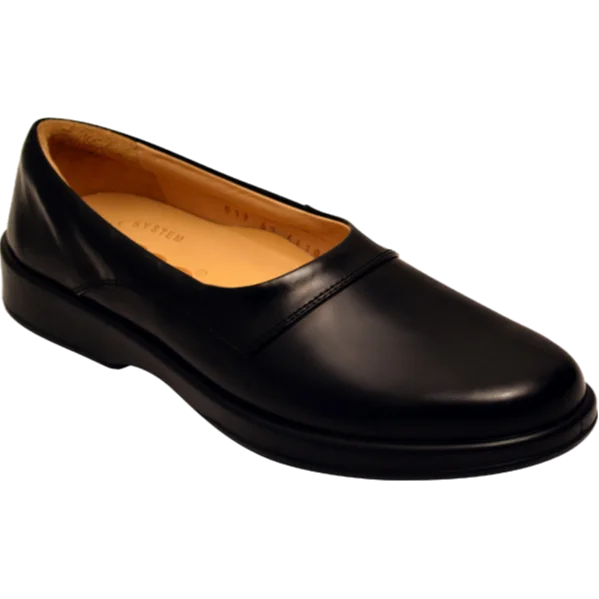
Your shoes say more about you than your resume ever could — at least in those critical first seconds. Research consistently shows that footwear is one of the first things people notice when forming a first impression. In a job interview, where every detail matters, your job interview shoes can quietly communicate professionalism, attention to detail, and respect for the opportunity. The wrong pair? They can undermine even the strongest qualifications.
This guide covers everything you need to know about choosing the right interview shoes men rely on to walk into any interview with confidence.
The Rules of Interview Shoe Etiquette: What Shoes to Wear to Interview
Before diving into specific styles, it helps to understand the unwritten rules that govern what shoes to wear to interview settings. These rules are not about fashion — they are about showing the interviewer that you understand professional norms.
Match the formality of the company. A Wall Street investment bank expects polished black oxfords. A Portland design studio will find that stuffy. Your shoes should signal that you have done your homework on company culture.
Lean slightly more formal than your guess. If you are unsure about the dress code, err on the side of formality. It is always better to be slightly overdressed than underdressed. Nobody has ever lost a job offer for shoes that were too polished.
Keep them clean, period. Scuffed or dirty shoes suggest carelessness. Even the most relaxed interviewer will notice grime on your footwear. Refer to our leather shoe care guide for a quick pre-interview prep routine.
Stick to leather. Genuine leather shoes project quality and professionalism that synthetic materials simply cannot replicate. If you want to understand why material matters, our breakdown of types of leather in shoes explains the differences between full grain, top grain, and genuine leather — and why interviewers can often tell.
Best Job Interview Shoes by Industry
Not every interview calls for the same shoe. The industry you are interviewing in plays a major role in determining which style hits the right note.
Corporate, Finance, and Law
These are the most formal interview environments. Expectations are high, and deviation from the norm can cost you.
Best choice: Cap toe oxford. The Wizfort Cap Toe Oxford is the gold standard for formal interviews. The closed lacing system and clean cap toe detail signal tradition, discipline, and seriousness. In black, this shoe works for virtually every corporate interview from New York to London.
Runner-up: Plain toe oxford. The Wizfort Plain Toe Lace Up offers a slightly more modern look while maintaining full formality. It is an excellent choice if your suit is already doing most of the heavy lifting.
For a deeper comparison of these styles, check out our complete guide to men's dress shoes.
Tech, Startups, and Business Casual
Tech companies and startups tend to have more relaxed dress codes. Showing up in a full suit with mirror-polished oxfords might actually work against you — it can signal that you do not understand the culture.
Best choice: Derby or plain toe lace-up in brown. A brown derby strikes the perfect balance between professional and approachable. For a full breakdown of business casual shoes, including which styles work for less formal interviews, see our dedicated guide. It says you take the opportunity seriously without being rigid.
Also works: A clean loafer. The Wizfort Loafer is polished enough for a business casual interview but relaxed enough that you will not feel out of place in a company where the CEO wears sneakers. Pair it with chinos and a sport coat for a confident, modern look.
Creative Industries
Advertising, media, architecture, and design firms often expect candidates to express personal style. This is where you have the most freedom — but freedom is not a license to be sloppy.
Best choice: A distinctive loafer or a suede derby. You can afford to show personality here. A burgundy or tan loafer communicates creativity and confidence. Just make sure the shoes are clean, well-maintained, and intentional — not an afterthought.
Avoid: Even in creative industries, athletic shoes, sandals, and anything with visible wear are still off-limits for interviews.
Color Guide for Job Interview Shoes
Color is one of the simplest decisions you will make, but it has an outsized impact on how your outfit reads.
Black
Black is the safest, most universally formal option. Choose black when:
- The interview is in finance, law, consulting, or government
- You are wearing a charcoal, navy, or black suit (our guide on matching dress shoes with suits covers these pairings in detail)
- You are uncertain about the dress code
- The company culture is clearly traditional
Black leather shoes, freshly polished, will never be the wrong choice in a formal setting. The Wizfort Cap Toe Oxford in black is the definitive interview shoe for these occasions.
Brown
Brown conveys warmth and approachability. Choose brown when:
- The interview is in tech, marketing, media, or a startup
- You are wearing a lighter suit (tan, light grey, blue)
- The company culture is business casual
- You want to project approachability alongside professionalism
A medium brown works with almost everything. Dark brown bridges the gap between formal and relaxed. Avoid very light or tan shades unless the role is explicitly creative.
Burgundy or Oxblood
A more advanced choice that works well in creative and fashion-adjacent industries. Burgundy shows confidence and style awareness. Pair it with navy or grey.
What to Avoid
Stay away from two-tone, white-soled, or overly embellished shoes. Anything that draws attention away from your conversation and qualifications is a distraction, not a style statement.
Pre-Interview Shoe Prep Checklist
You have picked the right pair. Now make sure they are interview-ready. A great shoe in poor condition sends a worse message than a mediocre shoe in perfect condition.
Three days before:
- Break them in. If these are new shoes, wear them around the house for a few evenings. Nothing derails confidence like blisters during a panel interview. The Esse Comfort Cap Toe Lace Up is specifically engineered for comfort on nervous, long days — worth considering if you tend to be on your feet.
- Deep clean. Wipe down the leather with a damp cloth and let it dry. Remove any old polish residue.
The night before:
- Polish. Apply a thin layer of matching shoe polish and buff to a shine. For a detailed walkthrough, see our leather shoe care guide.
- Check the soles. Look for excessive wear, especially at the heel. Worn-down heels affect your posture and your walk — both of which interviewers notice, even subconsciously.
- Inspect the laces. Frayed, stained, or mismatched laces are a small detail with a big impact. Replace them if they are anything less than clean and intact.
Morning of:
- Quick buff. A final pass with a soft cloth to remove any dust from transit.
- Spot check. Look at your shoes in natural light. Fluorescent lighting in an office will highlight every scuff.
Common Interview Shoe Mistakes to Avoid
Even well-prepared candidates make shoe mistakes. Here are the most common pitfalls and how to sidestep them.
Scuffed or Dirty Shoes
This is the number one mistake. According to Indeed's career advice team, interviewers associate scuffed shoes with a lack of attention to detail. If you cannot be bothered to clean your shoes for an interview, what does that say about your work?
Brand-New, Unbroken Shoes
They look great in the box. They feel like torture by hour two. Always break in dress shoes before the interview. Walk around your home, go to the grocery store, take a short walk outside. Your feet — and your focus — will thank you.
Shoes That Are Too Trendy
The interview is not the time to debut your new chunky-soled fashion shoes or metallic sneakers. Trends come and go, but professionalism is timeless. Save the statement pieces for after you have the job.
Sneakers or Athletic Shoes
Unless you are interviewing at a surf shop, leave the sneakers at home. Even in ultra-casual tech companies, sneakers at an interview can read as disrespectful. A clean loafer achieves the same relaxed vibe without the risk.
Squeaky or Noisy Shoes
This one catches people off guard. Some shoes squeak on hard floors, especially when new. Test your shoes on tile or hardwood before the interview. Walking into a quiet conference room with squeaky shoes is an avoidable distraction.
Mismatched Formality
Your shoes should match the formality of your outfit. Oxfords with jeans or sneakers with a suit both create a disconnect that interviewers will notice, even if they cannot articulate why something feels off. For guidance on pairing shoes with the right outfit, our style guide breaks it all down.
Walk Into Your Interview With Confidence
The right job interview shoes do more than complete an outfit. They anchor your confidence, signal your professionalism, and show the interviewer that you care about the details. Whether you are heading into a boardroom in polished black oxfords or walking into a startup in clean brown loafers, the principle is the same: respect the opportunity, and dress your feet accordingly.
Start with the Wizfort collection for interview-ready dress shoes that balance classic style with modern comfort. You can also shop men's oxfords — the most popular choice for formal interviews. Your next opportunity deserves your best first step.