
Types of Shoe Leather: Full Grain vs Top Grain vs Genuine
Not all leather is the same. Learn the differences between full grain, top grain, genuine, and bonded leather to choose shoes that last longer and look better.
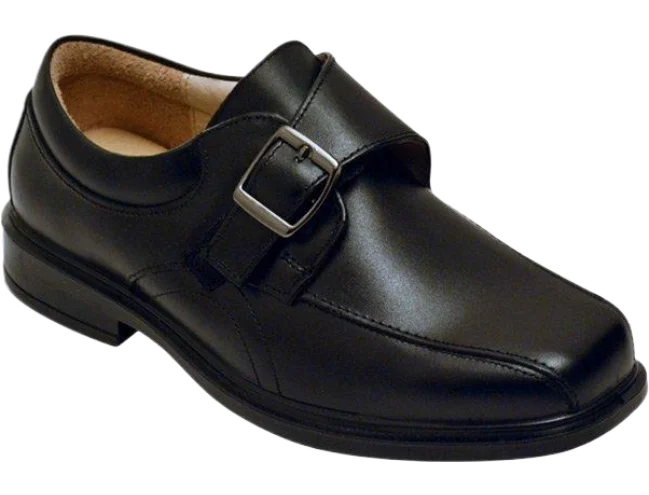
Understanding the types of leather in shoes is one of the smartest things you can do before spending money on your next pair. Whether you are shopping for dress shoes, casual loafers, or everyday oxfords, the leather quality determines how long they last, how they look over time, and whether they are worth the price tag. Not all leather is created equal, and the label on the box does not always tell the full story.
The leather industry uses a grading system that ranks materials from the highest quality full grain leather down to the lowest grade bonded leather. Each grade differs in durability, appearance, comfort, and price. Knowing where your shoes fall on this spectrum can save you hundreds of dollars and years of frustration.
In this guide, we break down the main types of leather used in shoes — from premium full grain leather to budget-friendly bonded leather — so you can make a confident, informed purchase.
Full Grain Leather Shoes — The Gold Standard
Full grain leather is the highest quality leather you can find in shoes. It comes from the top layer of the animal hide, where the natural grain pattern remains completely intact. Nothing has been sanded, buffed, or altered. What you see is the real surface of the leather, complete with natural markings, pores, and texture.
Why Full Grain Leather Is Premium
Because the grain surface is untouched, full grain leather retains the strongest and most durable fiber structure of any leather type. The tight, interlocking fibers at the grain surface create a natural barrier against moisture, abrasion, and everyday wear. It breathes naturally, allowing air to circulate around your feet while still providing protection from the elements.
Over time, full grain leather develops a rich patina — a soft, warm sheen that forms as the surface absorbs oils from your skin, polish, and light exposure. This patina is highly prized among leather enthusiasts and shoe collectors. It tells the story of where the shoes have been and how they have been worn. You simply cannot replicate this effect with lower-grade materials, no matter how much polish you apply.
Full grain leather also responds exceptionally well to reconditioning. A pair of full grain leather shoes that looks worn and tired can be cleaned, conditioned, and polished back to a stunning appearance. This ability to be renewed is one reason quality leather shoes can last a decade or longer with proper care.
How to Identify Full Grain Leather
Look for an irregular, natural grain pattern. No two pieces of full grain leather look exactly alike. You will see tiny pores, slight variations in color, and subtle imperfections — small scars, insect bites, or stretch marks from the animal's life — that prove the material has not been artificially processed. If the surface looks perfectly uniform and plastic-like, it is probably not full grain.
Run your fingers across the surface. Full grain leather feels warm, slightly textured, and organic. It yields gently under pressure and springs back. There is a suppleness to it that synthetic materials cannot match.
Full grain leather shoes like the Wizfort Cap Toe Oxford showcase this quality — built to develop character with every wear while maintaining their structural integrity for years.
Top Grain Leather Shoes — The Practical Choice
Top grain leather is the second-highest grade of leather and is extremely common in quality footwear. It starts as full grain leather, but the very outermost surface is lightly sanded or buffed to remove natural imperfections. A finish coat or pigment is then applied to create a smooth, uniform appearance.
The Trade-Offs of Top Grain
The sanding process removes some of the natural fiber strength, which means top grain leather is slightly less durable than full grain. It also will not develop the same rich patina over time because the original grain surface has been altered. The finish coat that replaces the natural surface creates a more consistent look, but it acts as a barrier between you and the raw leather.
However, top grain leather still offers excellent durability, a refined look, and good resistance to stains and moisture. In fact, the finish coat makes top grain leather somewhat easier to care for day to day. Spills and scuffs tend to wipe away more easily, and the leather maintains a polished appearance with less maintenance than full grain.
When Top Grain Makes Sense
For many buyers, top grain leather hits the sweet spot between quality and consistency. If you want shoes that look polished and uniform right out of the box without the natural variations that come with full grain, top grain is a strong choice. It is widely used in mid-range to high-end dress shoes and offers solid long-term value.
Top grain is also an excellent choice for professional settings where a consistent, clean appearance matters more than the character that comes with patina. Many executives and professionals prefer the uniform look of top grain leather for their daily office wear.
The Wizfort Classics Leather Sole Bicycle Toe is a great example of well-crafted leather dress shoes that deliver both style and substance at a reasonable price point.
Genuine Leather — Understanding the Label
Here is where things get tricky. The phrase "genuine leather" sounds like a quality guarantee, but in the leather grading system, it actually refers to one of the lower tiers. Genuine leather is made from the layers beneath the top grain — sometimes called split leather — and it lacks the natural surface grain that gives full grain and top grain their strength and beauty.
Why Genuine Leather Can Be Misleading
Manufacturers know that the word "genuine" implies authenticity and quality to most shoppers. And technically, genuine leather is real leather — it comes from an animal hide. But it has been heavily processed, often embossed with an artificial grain pattern to mimic higher-quality materials, and coated with finishes to improve its appearance. The Leather Working Group, an international standards organization, provides certifications that help consumers identify responsibly sourced and properly graded leather products.
The term "genuine leather" has become so overused that many experienced leather buyers treat it as a warning sign rather than a quality indicator. When a manufacturer has full grain or top grain leather, they will almost always say so. The label "genuine leather" without further specification usually means the manufacturer chose not to highlight the specific grade for a reason.
What to Expect from Genuine Leather Shoes
Genuine leather shoes will feel stiffer and less breathable than full grain or top grain alternatives. The fiber structure of the lower layers is looser and weaker, which means the leather is more prone to cracking, peeling, and drying out over time. The artificial grain pattern embossed onto the surface often wears off after a few months, leaving a flat, unattractive surface underneath.
While genuine leather shoes cost less upfront, they typically need to be replaced much sooner, which means they can actually cost more per year of wear than a higher-grade leather shoe. A $200 pair of full grain leather shoes that lasts eight years costs $25 per year. A $80 pair of genuine leather shoes that needs replacing every two years costs $40 per year.
The bottom line: if a shoe only says "genuine leather" without specifying full grain or top grain, assume it is the lower grade and set your expectations accordingly.
Bonded Leather and Faux Leather — What to Avoid
Below genuine leather, you enter the territory of materials that barely qualify as leather or are not leather at all.
Bonded Leather
Bonded leather is made from scraps and fibers of real leather that are ground up and glued together with polyurethane or latex onto a fiber sheet. Think of it as the particle board of the leather world. It typically contains only 10 to 20 percent actual leather content, though there is no regulated minimum percentage required to use the label.
Bonded leather looks decent when brand new, but it deteriorates quickly. The surface peels, flakes, and cracks within months of regular use. For shoes, bonded leather offers almost no structural support, poor breathability, and a very short lifespan. The glued composition also means bonded leather cannot be reconditioned or polished back to life once it starts deteriorating. It is best avoided entirely for footwear.
Faux Leather and Synthetics
Faux leather — also called vegan leather, PU leather, or synthetic leather — contains no animal hide at all. It is made from plastic-based materials like polyurethane or PVC applied to a fabric backing.
Modern faux leather has improved significantly and can look convincing at first glance. Some synthetic options are designed for specific purposes like waterproof hiking boots or budget-friendly everyday shoes where longevity is not the priority. However, faux leather does not breathe well, does not mold to your foot over time, and will not last nearly as long as real leather.
There are legitimate reasons to choose faux leather — ethical preferences, specific performance needs, or very tight budgets. But if you care about comfort, durability, and long-term value in dress shoes, real leather — preferably full grain or top grain — remains the clear winner.
How to Tell What Types of Leather Your Shoes Are Made Of
Knowing the difference between leather types is only useful if you can actually identify them. Here are practical ways to evaluate the leather on any pair of shoes, whether you are in a store or examining a pair you already own.
The Grain Test
Examine the leather surface closely under good lighting. Full grain leather has an irregular, natural pattern with visible pores that vary in size and spacing. Top grain will look smoother and more uniform but still has a natural feel. Genuine leather often has a stamped or embossed pattern that looks too perfect and repetitive to be natural — the repeat pattern is a dead giveaway.
The Smell Test
Real leather has a distinctive, rich smell that is difficult to replicate — earthy, organic, and warm. Synthetic materials often smell like plastic or chemicals. This is one of the quickest ways to distinguish real leather from faux. Even within real leather grades, higher-quality leathers tend to have a richer, more complex scent.
The Edge Test
Look at the edges of the leather where it has been cut, such as along the sole or inside the shoe where the lining meets the upper. Full grain and top grain leather show a fibrous, rough cross-section that looks like natural material. Bonded leather looks layered or papery, and faux leather shows a clean fabric backing with a thin plastic coating on top.
The Price Indicator
Quality leather costs more to produce, tan, and craft into shoes. If a pair of "leather" dress shoes costs significantly less than comparable options on the market, there is likely a reason. Very low prices usually indicate genuine leather at best, or bonded and faux materials at worst. Saddleback Leather provides an excellent deep dive into leather quality grades if you want to explore further.
The Water Test
Place a small drop of water on the leather surface in an inconspicuous area. Full grain leather will slowly absorb the water and darken slightly within a few seconds. Heavily coated top grain may resist for a moment before absorbing. Faux leather and bonded leather will not absorb water at all — the droplet will sit on the surface and roll off. This simple test reveals a lot about the leather's porosity and authenticity.
Which Leather Is Best for Dress Shoes?
For dress shoes that you want to last for years, look their best, and feel comfortable, full grain leather is the top choice. It molds to the shape of your foot over time, creating a custom fit that no synthetic material can replicate. It develops a beautiful patina that adds character and distinction. And it can be resoled and reconditioned multiple times, extending its useful life well beyond any lower-grade alternative.
Top grain leather is the next best option and works especially well when you want a consistently polished appearance without the natural variations that come with full grain. Many high-quality dress shoes use top grain leather to excellent effect, offering a balance of durability and aesthetics that satisfies most buyers.
At CSL Shoes, our brands are built around quality leather construction. The Benelaccio Moc Toe Lace Up offers classic styling with quality leather that is built to perform, while the Esse Comfort Formal Bicycle Toe combines quality leather with comfort-focused design for professionals who spend long hours on their feet.
Whether you prefer the timeless elegance of Wizfort or the refined comfort of Benelaccio, investing in real leather footwear is an investment in shoes that look better, feel better, and last longer than their synthetic counterparts.
Caring for Your Leather Shoes
No matter which type of real leather your shoes are made from, proper care extends their life significantly. Regular cleaning, conditioning, and proper storage can double or triple the lifespan of quality leather footwear. For a month-by-month maintenance schedule, see our leather shoe care calendar. For a detailed walkthrough of how to keep your leather shoes looking their best, check out our complete leather shoe care guide.
The basic routine is straightforward: brush off dirt after each wear with a horsehair brush, condition the leather every few weeks with a quality leather conditioner, use cedar shoe trees to maintain shape and absorb moisture, and rotate your shoes so each pair has at least 24 hours to dry between wears. For full grain leather, occasional polishing with a wax-based shoe polish builds up the patina and adds a protective layer.
Avoid extreme heat, direct sunlight for extended periods, and never dry wet leather shoes near a radiator or heater. Let them air dry naturally with shoe trees inserted, and condition them once they are fully dry.
The Bottom Line
When shopping for shoes, understanding leather types gives you a real advantage. Full grain leather sits at the top for durability, beauty, and long-term value. If you are still on the fence about investing in premium leather, our article on why quality leather shoes are worth the investment makes the case in detail. Top grain leather offers a polished look with strong performance. Genuine leather is a step down that often disappoints over time. And bonded or faux leather should be reserved for temporary or budget-specific situations only.
The next time you pick up a pair of shoes and see the word "leather" on the label, you will know exactly what questions to ask and what to look for. Your feet — and your wallet — will thank you.
Once you have chosen the right leather, the sole matters just as much. Our guide on leather sole vs rubber sole explains how to pick the right foundation for your shoes.
Ready to invest in quality leather shoes? Shop our full collection of full grain and top grain leather dress shoes from Wizfort, Benelaccio, and Esse Comfort. Every pair is crafted for comfort, style, and lasting value.