
Leather Shoe Care Calendar: Month-by-Month Guide
Most men forget about shoe care until the damage is done. This month-by-month leather shoe care calendar gives you a simple routine to keep your shoes looking great all year.
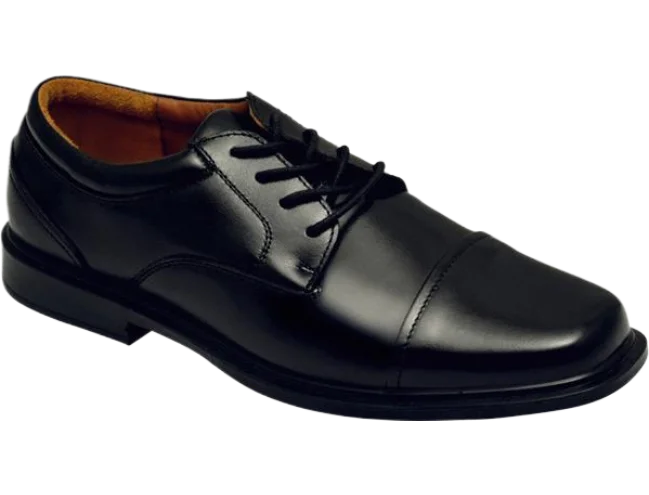
Most men buy a great pair of leather shoes and then forget about them until the leather cracks, the soles wear thin, or salt stains leave permanent marks. Sound familiar? A leather shoe care calendar takes the guesswork out of maintenance by giving you a simple, month-by-month routine that keeps your shoes looking sharp and lasting for years.
Whether you own a single pair of dress shoes or a full rotation of oxfords, loafers, and boots, this shoe care calendar breaks down exactly what to do and when. No more scrambling to remove salt stains in January or realizing your soles are shot right before a big event. Follow this shoe maintenance schedule and your leather shoes will reward you with years of comfortable, polished wear.
January–February: Deep Winter Leather Shoe Care
Winter is the hardest season on leather shoes. Road salt, slush, and freezing temperatures conspire to dry out, stain, and crack your footwear. Your leather shoe care routine during these months should be more intensive than any other time of year.
Salt stain removal should happen immediately — don't let salt sit overnight. Mix equal parts white vinegar and water, dampen a soft cloth, and gently wipe the stained areas. Follow up by wiping with a clean damp cloth and letting the shoes dry naturally away from direct heat. Radiators and hair dryers will dry leather too quickly and cause cracking.
Waterproofing is essential during these months. Apply a quality wax-based waterproofing product to your shoes every two to three weeks if you're wearing them in wet conditions regularly. Pay special attention to the welt — the seam where the upper meets the sole — as this is where water most commonly penetrates. Shoes with leather soles need extra protection since leather absorbs moisture more readily than rubber.
Cedar shoe trees are non-negotiable in winter. Insert them every single time you take your shoes off. Cedar absorbs the moisture your feet produce (up to half a pint per day) and helps shoes maintain their shape as they dry. If you only buy one shoe care accessory, make it a pair of cedar shoe trees.
For shoes like the Wizfort Prestige with its leather sole, winter care is especially critical. Leather soles can absorb water and warp if not dried and treated properly. Consider applying a leather sole conditioner monthly during winter.
March–April: Spring Refresh for Your Shoe Maintenance Schedule
Spring is reset season for your shoes. The worst of winter is behind you, and now is the time to assess the damage and restore your leather to peak condition.
Deep cleaning should be your first priority. Use a horsehair brush to remove all surface dirt, then apply a quality leather cleaner with a damp cloth using small circular motions. Work section by section and wipe clean before the product dries. For stubborn winter grime, a dedicated leather care approach using saddle soap may be needed, but use it sparingly — saddle soap can strip natural oils if overused.
Condition dried-out leather thoroughly. Winter's cold and indoor heating systems pull moisture from leather, leaving it stiff and prone to cracking. Apply a generous amount of leather conditioner, let it absorb for at least 15 minutes, then buff with a soft cloth. If your shoes feel particularly dry, apply a second coat the next day. Different types of leather absorb conditioner at different rates — full-grain leather may need more product than corrected grain.
Sole inspection is crucial after winter. Flip your shoes over and check for excessive wear, cracks, or separation between the sole and upper. If you can see through the sole or the heel is worn at a severe angle, it's time for a resole or heel replacement. Catching this early saves you from more expensive repairs later — or worse, a blowout at an inconvenient moment.
This is also an excellent time to break in any new spring shoes you've purchased, while the weather is mild enough for comfortable wear but before summer heat makes the process less pleasant.
May–June: Summer Prep in Your Shoe Care Calendar
As temperatures rise, your leather shoe care routine can lighten up — but it shouldn't stop entirely. Summer brings its own challenges: heat, humidity, and increased perspiration.
Lighter care routine means you can reduce conditioning to once a month instead of the biweekly schedule you maintained in winter. However, don't skip it entirely. Summer heat can dry leather just as effectively as winter cold, especially if you're moving between air-conditioned offices and hot outdoor environments.
Deodorizing becomes more important as temperatures climb. Sprinkle baking soda inside your shoes overnight once a week and shake it out in the morning. For persistent odor issues, consider cedar shoe tree inserts that stay in the shoes when they're not being worn. Shoes with sheepskin linings, like the Esse Comfort Fertel, naturally resist odor better than synthetic linings, but they still benefit from airing out between wears.
Rotate more frequently during summer. Ideally, never wear the same pair of leather shoes two days in a row. This gives each pair a full 24 hours to dry completely from perspiration. If you have a limited collection, now might be the time to consider adding a pair to your rotation. Think of it as an investment that pays for itself through extended shoe life.
Sun protection is often overlooked. Don't leave leather shoes in direct sunlight — whether by a window or in a hot car. UV rays fade leather and heat causes it to dry out and crack. Store shoes in a cool, dark closet when not in use.
July–August: Mid-Year Leather Shoe Inspection
The midpoint of the year is the perfect time for a thorough assessment of your entire shoe collection. Think of it as a six-month checkup.
Check soles for wear patterns. Place each shoe on a flat surface and look at it from behind. If the shoe tilts to one side, the sole is wearing unevenly, which affects your posture and comfort. Uneven wear can also indicate gait issues worth discussing with a podiatrist.
Identify resole candidates. A quality leather shoe can be resoled multiple times, which is one of the reasons investing in good footwear pays off. If you can feel the ground through the sole, or if the sole has worn thin enough that it's becoming flexible where it should be rigid, schedule a visit to your cobbler. Good cobblers often have wait times of two to four weeks, so plan ahead for fall.
Heel taps and toe taps are a small investment that dramatically extend sole life. If you haven't added them, mid-year is a good time to get them installed. Metal or rubber taps on high-wear areas can add months or even years to your soles. Consult a reputable cobbler like those recommended by Saphir for proper installation.
Assess your rotation. Are you wearing some pairs far more than others? Are any pairs uncomfortable enough that you avoid them? Mid-year is the time to be honest about your collection. A pair that sits unworn is a pair that's deteriorating from neglect — leather needs to flex and breathe to stay healthy.
September–October: Fall Transition Shoe Care Calendar
Fall is preparation season. You're getting your shoes ready for the demands of colder, wetter weather — and for the social events that come with the holiday season.
Condition before cold weather arrives. Apply a thorough round of leather conditioner to all your shoes, focusing especially on any pairs that were in heavy summer rotation. Well-conditioned leather is more resistant to the cracking that cold, dry air causes. This is your most important conditioning session of the year.
Waterproof again. Even if you waterproofed in January, the protection has worn off by now. Apply a fresh coat of waterproofing treatment to all shoes that will see wet weather. Wax-based products provide the best protection for leather soles, while spray-on treatments work better for more delicate leathers.
Polish for events. Fall kicks off event season — work functions, weddings, holiday parties. Take the time now to properly polish your dress shoes so they're ready at a moment's notice. A full polish involves cleaning, conditioning, applying shoe cream or wax polish in thin layers, and buffing to a shine. The Allen Edmonds shoe care guide offers excellent step-by-step polishing instructions if you're new to the process.
Inspect your shoe trees. Cedar shoe trees should be lightly sanded once or twice a year to refresh their moisture-absorbing properties. If yours have lost their cedar scent, a light sanding with fine-grit sandpaper will open up fresh wood fibers. Replace shoe trees that have cracked or no longer fit snugly.
November–December: Holiday Season Leather Shoe Care
The holiday season means your shoes are working overtime — and so should your care routine. Between office parties, family gatherings, and New Year's events, your dress shoes will see more action in these two months than at almost any other time.
Quick polish before events. You don't always need a full polish job. Keep a horsehair brush and a polishing cloth by your front door. A quick brush to remove dust followed by a brisk buffing with the cloth will have your shoes looking presentable in under two minutes. For scuffs, a small dab of matching shoe cream rubbed in with your finger and then buffed works wonders.
Overnight shoe trees every time. With increased wear frequency, your shoes need more recovery time. Insert cedar shoe trees the moment you take your shoes off — don't wait until morning. The first few hours after wearing are when shoes lose the most moisture, and that's when shoe trees do their best work.
Party season rotation is critical. If you have multiple pairs of dress shoes, rotate them aggressively during the holiday season. Wearing the same pair to back-to-back events without a rest day will compress the leather, break down the insole, and cause premature sole wear. Even alternating between just two pairs makes a significant difference.
Post-holiday deep clean. Set aside time in the last week of December for a thorough cleaning and conditioning of every pair you wore during the holiday season. This sets you up for a strong start to your January care routine and prevents holiday wear-and-tear from becoming permanent damage.
Essential Shoe Care Tools Every Man Needs
A proper shoe maintenance schedule is only as good as your tools. Here's what every man should have in his shoe care kit:
Horsehair brush — The workhorse of shoe care. Use it before and after every wear to remove dust and distribute polish. Get one with natural bristles; synthetic brushes can scratch leather. Dedicate separate brushes for light and dark shoes to avoid color transfer.
Leather conditioner — This is leather's equivalent of moisturizer. Choose a product without silicone, which can clog leather pores. Beeswax-based conditioners are a safe bet for most leather types. Apply every two to four weeks depending on the season.
Shoe polish or cream — Cream polish nourishes and adds subtle color, while wax polish provides shine and a protective layer. Most men need both: cream for regular maintenance and wax for events when you want a mirror shine. Match the color to your shoes — when in doubt, go one shade lighter or use neutral.
Cedar shoe trees — Spring-loaded, full-toe cedar shoe trees are the gold standard. They absorb moisture, maintain shoe shape, and prevent toe box creasing. Buy a pair for every pair of shoes you wear regularly. It's the single best investment you can make in extending shoe life.
Polishing cloth — A soft cotton flannel works best. Old t-shirts work in a pinch, but dedicated polishing cloths are inexpensive and give a better result. You can also use an old cotton chamois for final buffing.
Waterproofing product — A wax-based waterproofer for winter protection. Apply it to clean, conditioned leather and pay special attention to seams and welts. Reapply every few weeks during wet seasons.
Leather cleaner — For deeper cleaning when a brush alone isn't enough. Use sparingly — once every few months is usually sufficient. A good cleaner removes embedded dirt without stripping the leather's natural oils.
Make Your Leather Shoe Care Calendar a Habit
The difference between shoes that last two years and shoes that last twenty often comes down to nothing more than consistent, simple care. This leather shoe care calendar doesn't require hours of work or expensive products — just a few minutes of attention at the right times throughout the year.
Start with the basics: brush your shoes after every wear, use shoe trees always, and condition monthly. Build from there as the seasons demand. By this time next year, you'll notice the difference — not just in how your shoes look, but in how much longer they last and how much more comfortable they feel.
Your shoes carry you through every important moment in your life. A little care goes a long way. Explore our collections from Wizfort for shoes built to reward this kind of attention, and check out our complete leather care guide for even more detailed techniques on keeping your shoes in peak condition.