
Why Quality Leather Shoes Are Worth the Investment in 2026
Buying three pairs of cheap shoes costs more than one great pair of leather shoes. Here is the math, the construction details, and why 2026 makes the case stronger than ever.
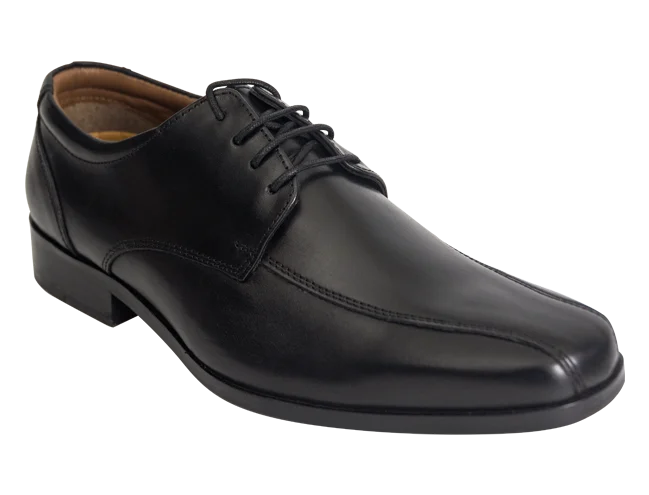
If you have ever bought a pair of cheap shoes only to watch them fall apart within a few months, you already understand the hidden cost of cutting corners on footwear. Quality leather shoes are one of those rare purchases where spending more upfront actually saves you money over time. Consider this: buying three pairs of forty-dollar shoes over five years costs you one hundred and twenty dollars and leaves you with sore feet and a pile of worn-out footwear. One pair of well-made leather shoes at the same price point can last that entire five years and beyond, looking better with every passing month.
In 2026, with rising import tariffs and shifting global supply chains, the economics of investing in quality leather shoes have never been clearer. The gap between disposable footwear and shoes built to last is widening, and consumers who understand this distinction are making smarter choices with their money.
This guide breaks down exactly why quality leather shoes are worth every dollar, from the hard math of cost-per-wear to construction details that separate a great shoe from a mediocre one.
Cost-Per-Wear: The Math That Changes Everything When You Invest in Leather Shoes
Cost-per-wear is the single most important metric for evaluating any piece of clothing or footwear. The formula is simple: divide the purchase price by the number of times you wear the item. This calculation reveals the true value of quality leather shoes versus their cheaper alternatives.
A forty-dollar pair of cemented-sole shoes typically lasts about six months of regular wear, roughly one hundred and eighty wears before the sole separates or the upper cracks. That works out to about twenty-two cents per wear. Sounds affordable until you realize you need to buy a new pair every six months.
A one-hundred-and-twenty-dollar pair of Goodyear welted or Blake stitched leather shoes, on the other hand, can last five to ten years with proper care. At three wears per week over five years, that is seven hundred and eighty wears, bringing your cost-per-wear down to roughly fifteen cents. Over ten years with resoling, you could reach well under ten cents per wear.
The math is even more compelling when you factor in resoling costs. A quality resole runs forty to sixty dollars and adds another two to three years of life. Meanwhile, the cheap shoe buyer has spent two hundred and forty dollars or more replacing their footwear over the same period, with nothing to show for it but landfill contributions.
The bottom line: quality leather shoes are not expensive. Cheap shoes that need constant replacement are expensive.
Construction Quality: What You Are Actually Paying For With Quality Leather Shoes
When you pay a premium for leather shoes, you are paying for specific construction techniques and materials that simply do not exist in budget footwear. Understanding these differences helps you appreciate why the price gap exists and why it matters.
Full Grain Leather vs. Bonded Leather
The most significant material difference is the leather itself. Full grain leather is the outermost layer of the hide, retaining its natural grain pattern and all of its strength. It develops a rich patina over time, actually looking better as it ages. Budget shoes use bonded leather, corrected grain, or synthetic materials that crack, peel, and deteriorate with wear.
Full grain leather also breathes, allowing moisture to escape and keeping your feet drier and more comfortable throughout the day. Synthetic materials trap heat and moisture, creating an environment for bacteria and odor.
Blake Stitch and Goodyear Welt Construction
The way the sole attaches to the upper is perhaps the most critical construction element. Quality shoes use Blake stitching or Goodyear welt construction, where the sole is physically stitched to the upper. This creates a bond that can withstand years of daily wear and, crucially, allows the shoe to be resoled.
Cheap shoes use cement construction, essentially industrial glue holding the sole to the upper. This bond degrades with heat, moisture, and flexing. Once it fails, the shoe is done. There is no resoling a cemented shoe.
Leather Soles vs. Synthetic
A leather sole is another hallmark of quality construction. Leather soles mold to your foot over time, provide excellent breathability, and can be replaced when worn. They also offer a sleek profile that rubber soles cannot match. Shoes like the Wizfort Prestige Leather Sole demonstrate how a leather sole elevates both the look and longevity of a shoe.
The 2026 Factor: Tariffs and Import Costs Make Quality Leather Shoes Essential
If there was ever a year to invest in quality leather shoes, 2026 is it. The shifting landscape of international trade policy is making cheap imported footwear more expensive while barely affecting premium shoes. Understanding why requires a look at how tariffs impact different price tiers.
Rising Tariff Pressure on Imported Footwear
New tariff structures implemented in late 2025 and early 2026 have increased duties on imported footwear, particularly from major manufacturing hubs in Southeast Asia and China. These tariffs disproportionately affect budget footwear because the added cost represents a larger percentage of the retail price.
A ten-dollar tariff increase on a forty-dollar shoe is a twenty-five percent price hike. That same ten-dollar increase on a one-hundred-and-twenty-dollar shoe is only an eight percent increase. As tariff pressures continue, the price gap between cheap and quality shoes is narrowing, making the quality option an even better value proposition.
Supply Chain Disruptions Favor Established Brands
Established brands with diversified supply chains and long-standing manufacturer relationships are better positioned to absorb or mitigate tariff impacts. Brands like Wizfort, Benelaccio, and Esse Comfort maintain direct relationships with their manufacturers, giving them more control over quality and pricing.
Budget shoe makers, often relying on the cheapest available suppliers, face greater vulnerability to supply chain disruptions. When their primary supplier becomes too expensive due to tariffs, they either raise prices or cut quality even further. Neither outcome benefits the consumer.
The Inflation Factor
Beyond tariffs, general inflation continues to push prices upward across all categories. A quality leather shoe purchased today at one hundred and twenty dollars may cost one hundred and forty or more by next year. Meanwhile, the shoe you buy today will still be serving you well years from now, effectively locking in today's price for years of future wear.
Comfort and Foot Health: The Long-Term Benefits of Quality Leather Shoes
The financial argument for quality leather shoes is compelling, but the health and comfort benefits are equally important. Your feet carry your entire body weight through thousands of steps every day. The shoes you put on them matter more than almost any other piece of clothing you own.
Superior Arch Support and Cushioning
Quality leather shoes are built on proper lasts, foot-shaped molds that ensure the shoe supports your natural arch and distributes weight evenly. The Esse Comfort Fertel is an excellent example of a shoe designed with biomechanical comfort as a priority, featuring cushioned insoles and supportive construction.
Budget shoes often use flat, generic insoles that provide minimal support. Over time, this lack of support can contribute to plantar fasciitis, back pain, and knee problems. The money you save on cheap shoes today could easily be spent on podiatrist visits tomorrow.
Break-In and Custom Fit
One of the remarkable properties of quality leather is its ability to mold to your specific foot shape over time. During the first few weeks of wear, full grain leather gradually conforms to the contours of your foot, creating a custom fit that no mass-produced synthetic shoe can match.
This break-in period is sometimes cited as a drawback, but it is actually a feature. Once a leather shoe has broken in, it fits your foot like nothing else. The leather has literally shaped itself to you, providing comfort that improves with every wear.
Breathability and Moisture Management
Leather is a naturally breathable material that allows air to circulate around your foot while wicking moisture away from the skin. This keeps your feet drier, cooler, and less prone to the bacterial growth that causes odor. According to the American Podiatric Medical Association, proper footwear with breathable materials is one of the key factors in maintaining overall foot health.
Synthetic shoes trap heat and moisture, creating a warm, damp environment inside the shoe. This is not just uncomfortable; it is a breeding ground for fungal infections like athlete's foot.
Resole, Do Not Replace: The Sustainability Angle
In an era of increasing environmental awareness, the sustainability argument for quality leather shoes is powerful. The footwear industry contributes significantly to global waste, with billions of pairs of shoes ending up in landfills each year. Quality leather shoes offer a meaningful way to reduce your personal contribution to this problem.
The Resoling Advantage
A well-constructed leather shoe can be resoled multiple times throughout its life. Each resoling extends the shoe's lifespan by two to three years, meaning a single pair could potentially last fifteen to twenty years. Compare that to cheap shoes that are designed as disposable products, intended to be replaced every few months.
The environmental impact is significant. Manufacturing a new pair of shoes requires raw materials, energy, water, and creates carbon emissions at every stage from production to shipping. Resoling reuses the existing upper, lasting, and internal construction, requiring only a fraction of the resources.
Leather as a Natural Material
Quality leather is a natural, biodegradable material. When a leather shoe does eventually reach the end of its life, the leather components break down naturally, unlike synthetic materials that can persist in landfills for hundreds of years.
Furthermore, the tanning industry has made significant strides in sustainability practices over the past decade, with many tanneries adopting water recycling, reduced chemical usage, and responsible sourcing practices.
How to Identify Quality Leather Shoes
Knowing that quality matters is one thing. Knowing how to identify quality is another. Here are the key indicators that separate genuine quality from marketing hype.
Check the Leather
Start with the leather itself. Understanding the different types of leather is essential. Full grain leather has a natural, slightly irregular surface with visible pores. It feels substantial in your hand, not thin or papery. If the shoe is labeled "genuine leather," be cautious as this is actually the lowest grade of real leather and is often barely better than synthetic.
Examine the Sole Construction
Flip the shoe over and look at how the sole is attached. Look for visible stitching around the perimeter of the sole, which indicates Blake stitch or Goodyear welt construction. If you see only a smooth junction between the upper and sole with no stitching, it is likely cemented construction.
Feel the Interior
A quality shoe has a smooth, well-finished interior with a leather or high-quality fabric lining. Run your hand inside the shoe. You should not feel rough edges, exposed glue, or unfinished seams. The insole should feel substantial and supportive, not thin and flimsy.
Assess the Weight
Quality leather shoes have a satisfying heft to them. The leather, the sole, and the internal structure all contribute to a weight that signals solid construction. If a shoe feels surprisingly light, it may be using thinner materials or skipping internal support structures.
Read the Details
Look for specific information about the leather source, tanning process, and construction method. Quality brands are proud of their materials and techniques and will provide this information. Vague descriptions like "man-made materials" or "premium uppers" without specifics are red flags.
Where to Start: Best Entry Points for Quality Leather Shoes
If you are ready to make the switch to quality leather footwear, the key is starting with versatile styles that maximize your cost-per-wear by working across multiple occasions.
The Oxford: Your Foundation Shoe
Every collection should start with a quality oxford. The Wizfort Cap Toe Oxford is an outstanding entry point. The cap toe design works equally well with a suit for formal events or with chinos for business casual settings. Its Blake stitch construction and full grain leather upper represent exactly the kind of quality we have been discussing, at a price point that makes the cost-per-wear calculation extremely favorable.
A Comfortable Daily Driver
For those who prioritize all-day comfort without sacrificing style, a cushioned leather shoe is the smart choice. The Esse Comfort Fertel combines quality leather construction with enhanced comfort features, making it ideal for professionals who spend long hours on their feet.
The Dress Shoe That Makes a Statement
Once you have your everyday shoes covered, adding a refined dress shoe elevates your entire wardrobe. The Wizfort Prestige with its leather sole and bicycle toe design is the kind of shoe that gets noticed in all the right ways. It represents the upper tier of accessible luxury, where craftsmanship meets everyday wearability.
Care Is Part of the Investment
Owning quality leather shoes comes with a responsibility to care for them properly. The good news is that basic leather shoe care is simple and takes just minutes. Regular cleaning, conditioning, and proper storage will keep your shoes looking their best and extend their lifespan significantly. Our leather shoe care guide covers everything you need to know to protect your investment.
Make the Investment That Pays You Back
Quality leather shoes are not a luxury. They are a financial decision, a health decision, and an environmental decision rolled into one. The math is clear: investing in well-made leather shoes costs less per wear than buying cheap alternatives. The construction is superior, the comfort is unmatched, and the ability to resole means your shoes can last a decade or more.
In 2026, with tariffs pushing up the cost of imported footwear and inflation affecting every price tier, there has never been a stronger case for buying quality over quantity. The forty-dollar shoe that used to be your budget option is creeping toward fifty or sixty dollars, while still falling apart in the same six months.
Start with one great pair. Wear them, care for them, and experience the difference that quality leather makes. Your feet, your wallet, and the planet will thank you.
Browse our collection of quality leather shoes from trusted brands like Wizfort, Benelaccio, and Esse Comfort, and make the investment that pays you back with every step.