
What Makes Sheepskin-Lined Shoes Different
Sheepskin-lined shoes regulate temperature, wick moisture, and mold to your feet naturally. Discover what makes this premium lining worth the investment.
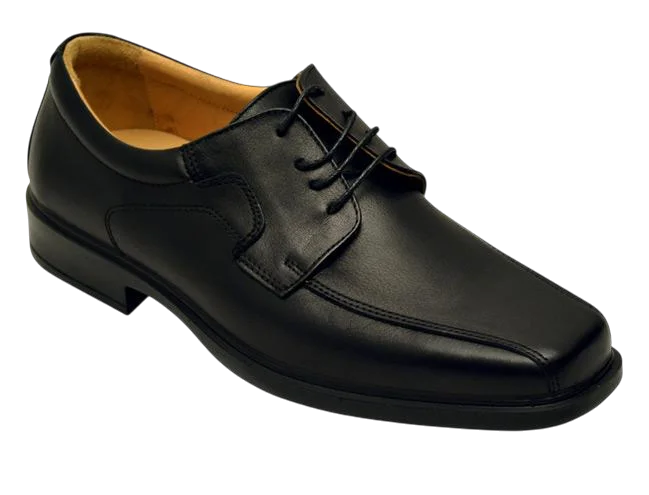
What sets a truly comfortable shoe apart from one that just looks the part? More often than not, the answer lies inside — specifically, in the lining. Sheepskin-lined shoes offer a combination of natural temperature regulation, moisture management, and cushioning that synthetic materials simply cannot replicate. Whether you are shopping for everyday footwear or a refined pair of dress shoes, understanding what sheepskin shoe lining brings to the table will change how you evaluate your next purchase.
In this guide, we break down the science and practical benefits behind sheepskin lining, compare it to synthetic alternatives, and show you how to keep your wool-lined shoes performing at their best for years.
Natural Temperature Regulation in Sheepskin-Lined Shoes
One of the most remarkable properties of sheepskin is its ability to regulate temperature naturally. The wool fibers in a sheepskin shoe lining create tiny pockets of air that act as insulation — trapping warmth when temperatures drop and allowing heat to dissipate when conditions warm up.
This means your feet stay comfortable across seasons without needing separate summer and winter footwear. In cold weather, the dense wool fibers retain body heat close to your skin. In warmer months, the same fibers wick moisture away from your foot and allow airflow through the material's natural structure.
This thermoregulation is not something manufacturers engineer into the material — it is an inherent property of sheep's wool that has been used in clothing and footwear for thousands of years. According to the International Wool Textile Organisation, wool fibers can absorb and release moisture vapor without feeling damp, helping maintain a stable microclimate inside the shoe.
For shoes that demonstrate this principle in practice, take a look at the Esse Comfort Fertel, a handcrafted shoe with full sheepskin lining designed for all-day wear across seasons.
Moisture Wicking and Odor Control With Wool-Lined Shoes
Foot odor is almost always a moisture problem. When sweat sits against the skin with nowhere to go, bacteria thrive and odors develop. Synthetic linings — polyester, nylon, or foam-backed textiles — tend to trap moisture against the foot because they lack the absorbent structure of natural fibers.
Sheepskin-lined shoes handle moisture differently. Wool fibers can absorb up to 30 percent of their own weight in water vapor before they even begin to feel wet. This absorption happens at the molecular level: water vapor bonds to the hydrophilic interior of each fiber while the exterior remains relatively dry to the touch.
Beyond absorption, sheepskin contains natural lanolin — the waxy substance produced by sheep to protect their wool. Lanolin has mild antimicrobial properties that resist the bacterial growth responsible for odor. While the lanolin content in processed sheepskin lining is lower than in raw wool, enough remains to provide a meaningful advantage over synthetic alternatives.
The practical result: your feet stay drier, and your shoes stay fresher between wears. This is especially valuable in dress shoes and professional footwear that you might wear for eight to ten hours at a stretch. The Esse Halbe is a good example of a formal slip-on built with this long-wear comfort in mind, featuring a full sheepskin lining throughout the interior.
Comfort and Cushioning That Molds to Your Foot
Beyond climate and moisture control, sheepskin provides a level of physical comfort that improves with time. When new, the wool fibers offer a soft, plush cushion against the foot. As you wear the shoes, the lining gradually conforms to the unique shape of your foot — the contours of your arch, the width of your forefoot, the pressure points around your heel.
This personalized fit is something you simply do not get from synthetic linings, which tend to compress flat relatively quickly and stay that way. Sheepskin fibers have natural resilience and memory. They compress under pressure and spring back when the pressure is removed, maintaining their cushioning properties far longer than foam or fabric alternatives.
For people who spend significant time on their feet, this matters — our guide on comfortable shoes for standing all day goes deeper into what features reduce fatigue. The cushioning reduces impact on joints, and the conforming fit minimizes friction points that lead to blisters and hot spots. It is one reason why brands like Esse Comfort have built their entire range around natural sheepskin linings — the comfort difference is immediately noticeable when you slip the shoe on. Our full review of Esse Comfort's comfort technology explains how sheepskin works alongside their cushioned insoles and wide fit design.
Durability — How Sheepskin Lining Wears Over Time
A common concern with premium materials is whether the investment pays off in longevity. With sheepskin lining, the answer is generally yes — provided the shoes receive basic care.
Wool fibers are naturally elastic and can bend back on themselves over 20,000 times before breaking. For context, cotton breaks after roughly 3,000 bends, and synthetic rayon after fewer than 100. This resilience translates directly to how well the lining holds up inside a shoe that flexes with every step you take.
Over months and years of regular wear, a quality sheepskin lining will show some compression and wear patterns, but it maintains its functional properties — moisture wicking, temperature regulation, and odor resistance — far longer than synthetic linings that degrade as their chemical coatings wear off.
The leather exterior of the shoe also plays a role in overall longevity. If you are interested in understanding how different leather types affect shoe quality and lifespan, our guide on types of leather in shoes covers full grain, top grain, and genuine leather in detail.
Sheepskin vs Synthetic Lining — A Direct Comparison
To make the differences concrete, here is how sheepskin and synthetic linings compare across the factors that matter most:
Temperature regulation: Sheepskin actively regulates temperature through natural fiber structure. Synthetic linings are passive — they do not adapt to conditions, and many trap heat.
Moisture management: Sheepskin absorbs up to 30% of its weight in moisture vapor. Most synthetic linings absorb less than 5%, relying on surface coatings that wear off over time.
Odor resistance: Sheepskin's residual lanolin provides natural antimicrobial properties. Synthetic linings require chemical antimicrobial treatments that wash out or degrade.
Comfort and fit: Sheepskin molds to foot shape over time while maintaining cushion. Synthetic linings compress permanently and do not conform to individual feet.
Durability: Wool fibers bend 20,000+ times before breaking. Many synthetic fibers degrade faster, and their performance coatings have limited lifespans.
Environmental impact: Sheepskin is a natural, biodegradable byproduct of the meat industry. Most synthetic linings are petroleum-derived and non-biodegradable.
Cost: Sheepskin-lined shoes carry a higher upfront cost. However, factoring in the longer useful life, reduced need for insoles or odor treatments, and superior day-to-day comfort, the cost per wear is often lower than cheaper synthetic-lined alternatives.
The Esse Comfort Plain Toe Slip-On exemplifies what this combination of benefits looks like in a finished shoe — clean formal styling with a full sheepskin interior that performs across all these metrics.
Caring for Sheepskin-Lined Shoes
Sheepskin lining is durable, but a little maintenance goes a long way toward preserving its properties. Here are the essential care practices:
Allow shoes to rest between wears. Give each pair at least 24 hours between wearings. This allows the wool fibers to release absorbed moisture and return to their natural shape. Rotating between two or three pairs significantly extends the life of each.
Use cedar shoe trees. Insert cedar shoe trees after each wear. Cedar absorbs residual moisture and helps the shoe maintain its shape. The wood's natural oils also complement the antimicrobial properties of the sheepskin.
Brush the interior occasionally. A soft-bristled brush run lightly over the lining every few weeks lifts compressed fibers and removes dust or debris. This keeps the wool loft intact and maintains its cushioning.
Spot clean with care. If the lining needs cleaning, use a damp cloth with a small amount of wool-safe detergent. Avoid soaking the interior. Never use heat to dry — allow the shoes to air dry naturally at room temperature, away from direct sunlight or radiators.
Condition the exterior leather. The outside of your shoes protects the inside. Regular leather conditioning prevents cracking and keeps the shoe's structure sound, which in turn protects the lining. Our leather shoe care guide covers conditioning techniques and product recommendations in detail. For a seasonal approach to maintenance, see our leather shoe care calendar.
Avoid machine washing. Sheepskin lining should never go in a washing machine. The agitation and heat will damage the wool fibers and can cause the leather to shrink or warp.
Invest in What Touches Your Feet
The lining of a shoe is the only part that stays in constant contact with your foot all day. It determines whether your feet stay dry or damp, warm or cold, comfortable or sore. Sheepskin-lined shoes deliver on all of these fronts through natural properties that synthetic materials attempt to imitate but never fully match.
If you are ready to experience the difference that genuine sheepskin lining makes, explore the Esse Comfort collection. Every pair is built with full sheepskin interiors, premium leather construction, and the kind of attention to detail that you can feel from the first step. Browse the range and find your fit today.